Introduction
Haiti’s communities face significant challenges related to agriculture, environmental degradation, economic vulnerability, and access to essential support. In this context, sustainable agriculture and community development can play an important role in building stronger and more resilient communities.
At COCIDECHC, we believe that lasting development begins with communities themselves. By supporting local initiatives, strengthening knowledge, promoting sustainable agricultural practices, and encouraging community participation, it is possible to create meaningful and lasting social impact.
Understanding Agroecology
Agroecology brings together agricultural production, environmental protection, and local knowledge. Rather than treating agriculture and environmental protection as separate priorities, agroecology seeks to develop practices that support both people and the ecosystems on which communities depend.
For Haitian communities whose livelihoods are closely connected to agriculture, sustainable agricultural practices can contribute to improved food security while helping protect soil, water, vegetation, and biodiversity.
Agroecology also provides an opportunity to promote knowledge sharing and strengthen the capacity of farmers and community members to respond to environmental and economic challenges.
Community Participation as a Foundation for Development
Community development is strongest when local people are involved in identifying challenges and developing solutions.
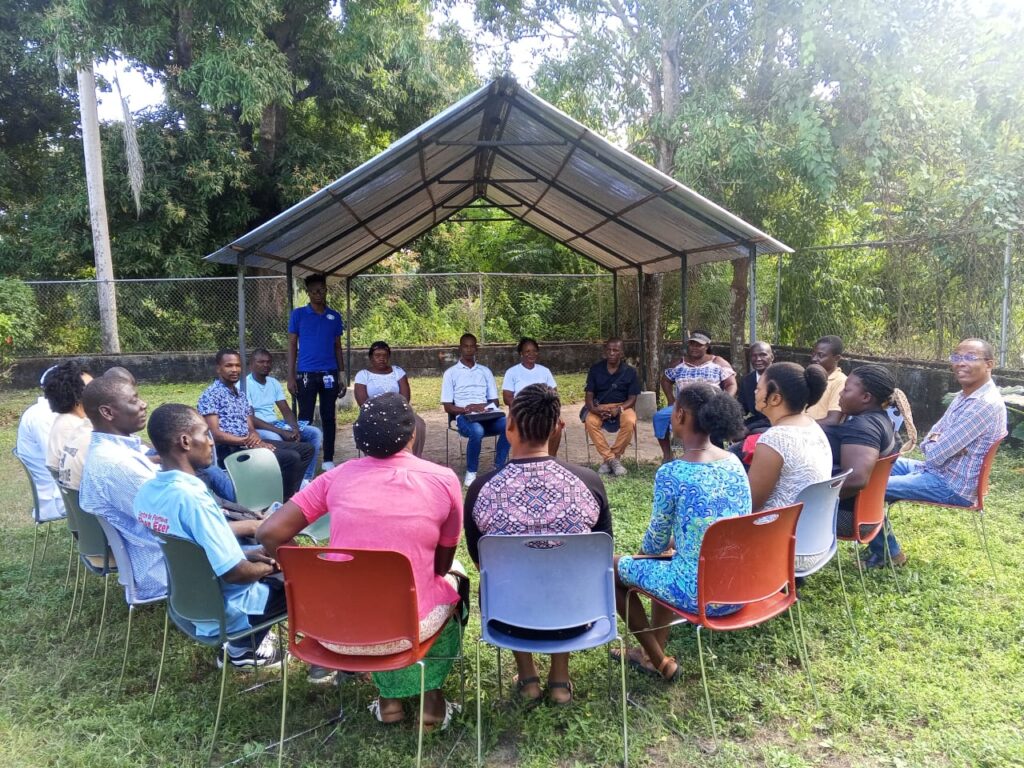
Training, awareness activities, community meetings, and knowledge sharing can provide communities with opportunities to strengthen their skills and participate actively in initiatives that affect their future
.COCIDECHC works with a community-centered approach, recognizing the importance of local participation and collaboration in achieving sustainable results.
Protecting the Environment
Environmental protection is an essential part of sustainable community development.The degradation of natural resources can directly affect agricultural productivity, livelihoods, and the well-being of communities. Supporting environmental awareness and sustainable practices can therefore contribute to greater resilience.Through its focus on agroecology and environmental protection, COCIDECHC seeks to encourage practices that respect Haiti’s natural resources while supporting the needs of local communities.
From Knowledge to Action
Sustainable development requires more than awareness. Communities need opportunities to put knowledge into practice.Training and practical activities can help transform ideas into actions that benefit families and communities. They can also encourage collaboration between community members and organizations working toward common goals.COCIDECHC’s community activities are part of this broader effort to strengthen local capacity and support sustainable development.
Building Resilient Communities
Agroecology, environmental protection, and community development are closely connected.
When communities have access to knowledge, opportunities to collaborate, and support for sustainable initiatives, they are better positioned to address challenges and build a more resilient future.
COCIDECHC remains committed to supporting initiatives that place communities at the center of development while promoting environmental responsibility and sustainable agriculture.
Conclusion
The future of sustainable development in Haiti depends on strong communities, responsible management of natural resources, and meaningful local participation.Through agroecology, community development, environmental protection, and continued collaboration, COCIDECHC works toward a more resilient and sustainable Haiti.